
Why Ethereum matters to altcoin buyers
Ethereum is more than a cryptocurrency: it’s a programmable settlement layer that hosts thousands of tokens, decentralized applications, and financial primitives. For anyone in the market to buy altcoins, understanding Ethereum’s architecture, incentives, and tooling helps you separate projects with real utility from speculative copies.
Core Ethereum features every altcoin buyer should know
1. Smart contracts and token standards
Most altcoins built on Ethereum follow standards such as ERC-20 (fungible tokens), ERC-721 (NFTs), and ERC-1155 (multi-token). These standards provide predictable behavior for wallets, exchanges, and marketplaces — reducing integration friction and increasing liquidity. When evaluating a token, check whether it adheres to a widely adopted standard and whether its contract is verified.
2. The EVM and cross-chain compatibility
Ethereum Virtual Machine (EVM) compatibility means a smart contract can be deployed on many chains and Layer 2 networks with minimal changes. Projects that are EVM-native often benefit from existing developer tools, audited libraries, and a large user base.
3. Consensus and finality
Ethereum’s move to Proof of Stake changed the security and economics of transaction finality. For buyers, this affects staking dynamics, supply issuance, and network fees — all factors that can influence token price and project sustainability.
4. Layer 2s and scaling
High gas fees on Ethereum mainnet can push projects to Layer 2 networks or sidechains. Tokens that offer low-cost transactions while retaining security guarantees may have better retention and adoption. Evaluate where a project’s activity occurs — mainnet or a specific Layer 2 — because liquidity and tool support can vary.
Practical checklist for evaluating Ethereum-based altcoins
- Contract verification: Is the token contract source code verified on a block explorer?
- Audits: Has the smart contract been audited by reputable firms?
- Tokenomics: What is the supply schedule, vesting for teams, and inflation mechanics?
- Liquidity: Is there deep liquidity on reputable DEXs or centralized exchanges?
- Community & governance: Active governance and open development indicate resilience.
- Use case & adoption: Does the token solve a real problem, or is it primarily speculative?
- Interoperability: Is the token EVM-compatible and usable across wallets and bridges?
On-chain signals and market data
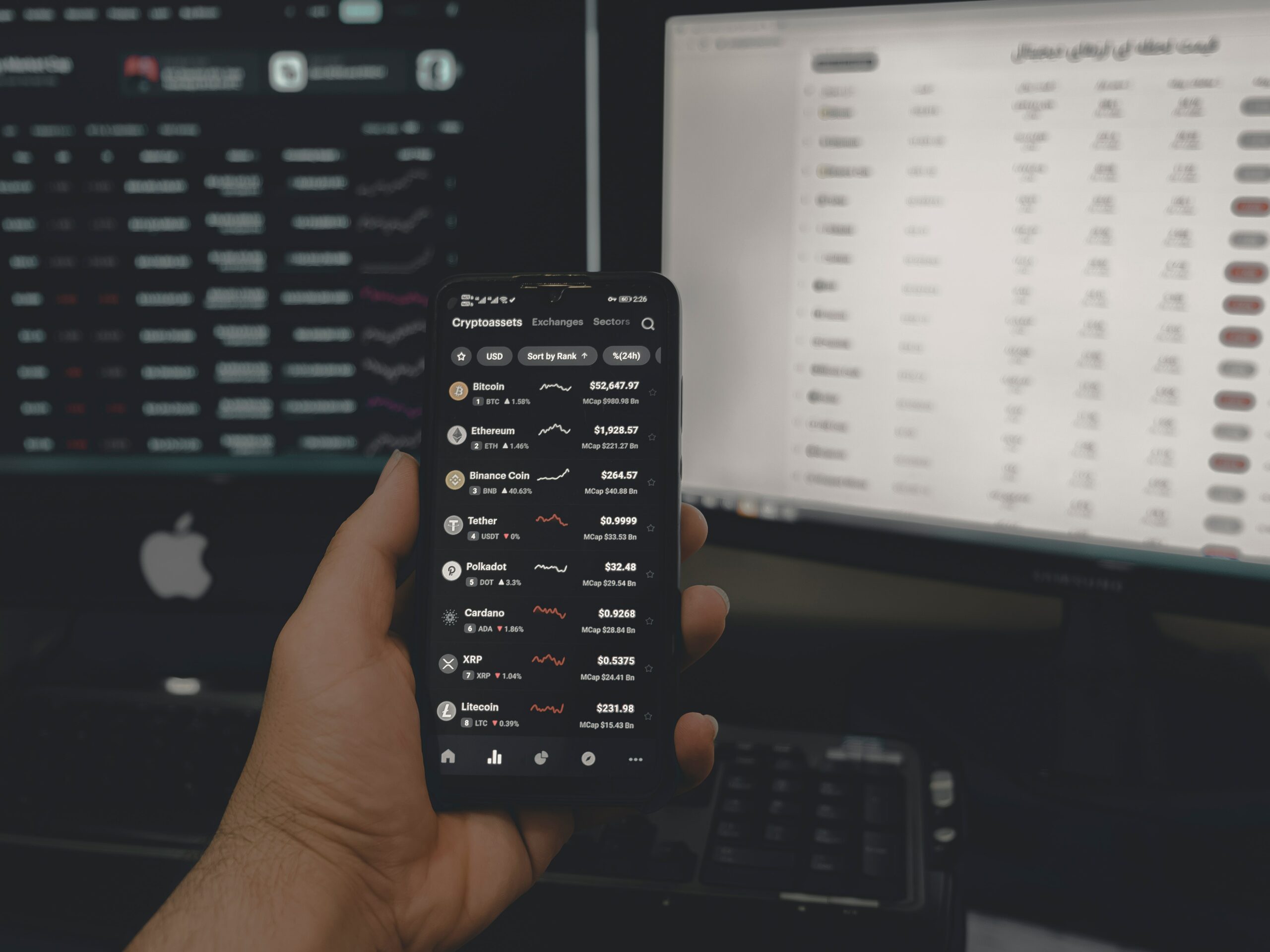
Combine qualitative analysis with on-chain and market metrics. For high-level market data, it’s useful to consult listings with aggregate metrics such as market cap, circulating supply, and liquidity. You can view Ethereum’s market profile and key statistics via Ethereum on CoinMarketCap to understand the network context before evaluating tokens built on it.
Risk management strategies for buying Ethereum-based altcoins
Position sizing and diversification
Because tokens on Ethereum can be volatile, limit position size relative to your portfolio. Diversify across utility types — DeFi tokens, infrastructure, NFTs — rather than holding many tokens with the same risk exposure.
Understand liquidity and exit routes
Check how easy it will be to sell: are there active pools on reliable decentralized exchanges, or is the token listed on centralized venues? Low liquidity can lock you into positions or cause large slippage.
Audit and trust assumptions
Even when a token is ERC-20 compliant, the contract may contain privileged functions (minting, pausing) that can be risky. Always read the verified source code or audit summaries to learn what powers deployers retain.
Using Ethereum knowledge to find better altcoin opportunities
Because Ethereum is a hub for innovation, many protocols experiment with novel token models, governance systems, and economic incentives. A well-informed buyer can spot projects that leverage Ethereum’s composability — for example, tokens designed to be used across DeFi primitives or to accrue fees from multiple protocols.
To deepen your technical understanding and appreciate Ether’s role in the ecosystem, consider reading a focused exploration of Unique Features of Ether, the second most transacted crypto, which explains Ether’s utility and network dynamics in practical terms for investors and builders.
Context matters: incentives, policy, and adoption
Adoption often responds to incentives that look mundane from the outside. Small, targeted incentives — from subsidies to programmatic rewards — can shift behavior rapidly. A non-crypto example demonstrates this: local policy incentives such as the Skiptvet municipality cloth diaper subsidy help change consumer choices by lowering friction and cost. In crypto, protocol-level incentives (liquidity mining, airdrops, fee-sharing) work similarly to attract users and bootstrap network effects.
Compare projects with broader market performance
Understanding how top altcoins move can inform timing and diversification. A market-wide review offers perspective on sector rotation, correlation, and risk-on/risk-off behavior. For a data-driven comparison across leading tokens, consult analyses like this Close-Up on the Performance of Top Altcoins in the Market Currently to see which sectors are gaining traction and where liquidity is shifting.
Final checklist before buying
- Verify contract source and audit reports.
- Confirm liquidity exists in trusted venues.
- Check vesting schedules and token release cadence.
- Understand the protocol’s value capture mechanism.
- Decide position size and set risk controls (stop-loss, take-profit).
- Use reputable wallets and bridges for transfers; avoid copying contract addresses from unverified social posts.
Conclusion
For anyone looking to buy altcoins, Ethereum provides both opportunity and a framework for analysis. Its standards, tooling, and broad developer ecosystem mean tokens built on Ethereum tend to be more interoperable and visible — but they also require careful scrutiny. Use technical checks, on-chain metrics, and market analysis together to make informed buying decisions. The more you learn about Ethereum’s mechanics, the better positioned you’ll be to identify durable projects and manage downside risk.