
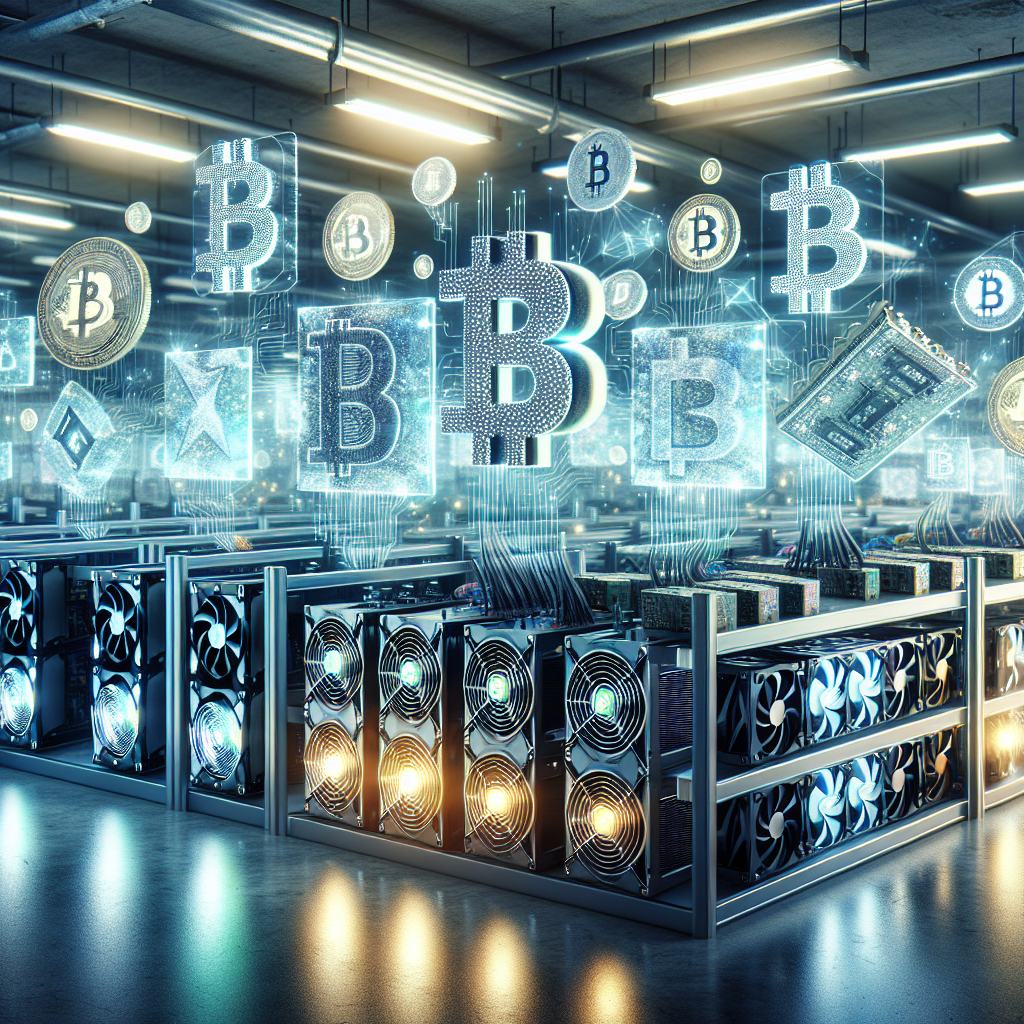
Introduction
Bitcoin mining remains a foundational pillar of the cryptocurrency ecosystem, but its practical value extends beyond earning freshly minted BTC. For people focused on buying altcoins, mining presents opportunities to diversify holdings, improve cost basis, and understand network economics. This guide covers modern best practices for mining hardware, power strategy, security, and cashing out — all with the perspective of an altcoin buyer in mind.
Why Bitcoin Mining Matters to Altcoin Buyers
Even if your primary interest is altcoins, mining Bitcoin can be complementary. Mined BTC can be used to purchase altcoins on exchanges, provide liquidity, or act as a hedge. Understanding mining also helps buyers evaluate network health, transaction costs, and market sentiment — useful context for investment timing and portfolio allocation.
Key benefits for altcoin-focused users
- Supplementary income stream: Convert some mined BTC into altcoins to dollar-cost-average (DCA) into positions without using fiat.
- Reduced exchange exposure: Mine and transfer BTC to an exchange you trust when market conditions are favorable.
- Hands-on learning: Running mining hardware builds technical skills useful for broader crypto operations.
How Mining Works — A Quick Technical Primer
If you want a clear and reliable overview of the mining process, read this explainer on how Bitcoin mining works. The high-level takeaway: mining secures the network through proof-of-work, rewards miners with BTC, and validates transactions — all while consuming electrical energy and requiring specialized hardware.
Choosing Hardware and Setup for Altcoin Buyers
Your hardware choice should balance upfront cost, hashrate, power consumption, and resale value. Even if you plan to convert mined BTC into altcoins, efficient hardware increases net yield and shortens the time to a profitable conversion.
Options to consider
- ASIC miners: Highest efficiency for Bitcoin, but specialized. Good if your intention is to mine BTC long-term and monetize consistently.
- GPU rigs: Flexible for altcoins that use GPU-friendly algorithms. GPUs can be repurposed or sold more easily if you change strategy.
- Used market vs new: Used units can be cheaper but riskier; warranty and power efficiency typically favor new units.
Power and Sustainability Strategies
Energy is the single largest ongoing cost for miners. Altcoin buyers converting mined BTC should focus on lowering operational cost per BTC to maximize buying power.
Practical steps
- Optimize location: Run hardware where electricity costs are stable and reliable.
- Time-based economics: If your utility offers variable pricing, schedule heavy mining during lower-rate windows.
- Explore renewable options: Pairing mining with renewable energy reduces exposure to carbon pricing and improves public perception.
For a lifestyle-level approach to sustainability that informs responsible energy choices, see tips on how to eat more sustainably — the same mindset of reducing waste and optimizing consumption applies when designing an efficient mining setup.
Mining Pools, Payouts, and Converting to Altcoins
Joining a mining pool is the norm: pools smooth payout variance and make planning easier. When your goal is buying altcoins, consider payout thresholds, fees, and payout frequency — these affect your timing for conversions.
Best practices for converting mined BTC
- Choose a reliable exchange with low withdrawal fees and good liquidity. If you want a recommended platform to check before trading, read more about the Altcoin Exchange to look up to as an investor that the Buy altcoins community evaluates.
- Use limit orders or staggered conversions to avoid slippage when moving from BTC into thinly traded altcoins.
- Keep separate budget buckets: allocate a percentage of mined BTC for long-term altcoin holds and another for opportunistic trades.
Security: Keys, Wallets, and Custody
Handling mined Bitcoin securely is non-negotiable. Miners who plan to buy altcoins later must control private keys and understand custody options.
Protecting your funds
- Prefer hardware wallets for long-term storage. Never keep large balances on exchanges unless actively trading.
- Be familiar with the concept and risks surrounding your Private cryptocurrency wallet key, especially how backup, recovery, and exposure can affect your ability to convert mined BTC into altcoins safely.
- Consider multi-signature setups for higher balances — this reduces single-point-of-failure risk when moving funds between wallets and exchanges.
Economics and Profitability Considerations
Mining profitability depends on hashrate, electricity costs, difficulty, and BTC price. For altcoin buyers the effective metric is not just BTC earned, but the purchasing power of that BTC once converted into altcoins.
Simple checklist to evaluate profitability
- Calculate break-even: estimate how long until your equipment costs are recovered based on current income and expenses.
- Include conversion costs: factor exchange fees and potential slippage when mapping BTC to altcoin positions.
- Plan for volatility: keep emergency reserves in fiat or stablecoins to avoid forced sales during drawdowns.
Regulatory and Tax Notes
Tax treatment of mined cryptocurrency varies. Keep clear records of mining income, conversion events, and exchange transfers. Consult a tax professional for jurisdiction-specific rules — record-keeping smooths audits and helps optimize when you convert mined BTC into altcoins.
Conclusion: A Miner’s Edge for Altcoin Buyers
Bitcoin mining can be a strategic complement for altcoin buyers when approached with operational discipline: efficient hardware, smart energy choices, secure custody, and thoughtful conversion tactics. Whether you run ASICs, a GPU rig, or rely on pooled setups, align operational choices with your altcoin acquisition plan to maximize long-term value.
Mining is technical, but with the right framework it becomes a cashflow engine that funds altcoin strategies under your control. Start small, measure costs, secure keys, and convert mined BTC into altcoins on trusted platforms when market conditions are right.