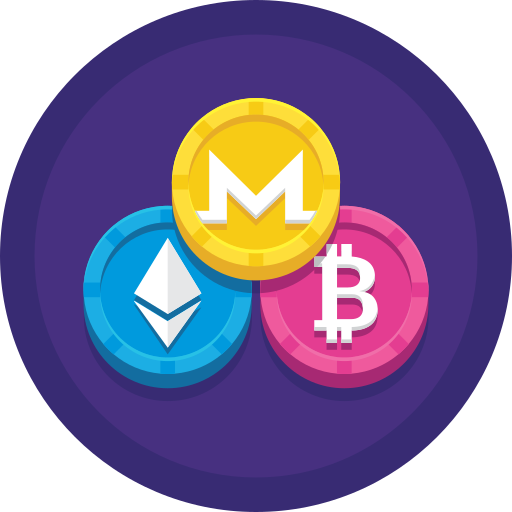

Privacy coins</ are digital currencies designed to enhance user anonymity and transaction privacy. Unlike traditional cryptocurrencies like Bitcoin, every transaction on the public ledger can be traced. Privacy coins leverage advanced cryptographic techniques to obscure the transaction details, providing users with a higher degree of anonymity.
Why Privacy Coins Matter
The increasing concerns over data breaches, surveillance, and personal privacy have made privacy coins more relevant than ever. As governments and corporations continue to monitor digital transactions, users seek cryptocurrencies that can ensure confidentiality. Here are a few reasons why privacy is valuable in the cryptocurrency realm:
- Financial Security: Users can protect their wealth from prying eyes.
- Anonymity: Transactions can be conducted without revealing personal identity.
- Decentralization: Many privacy coins operate on decentralized networks resistant to censorship.
Popular Privacy Coins
Several privacy coins lead the market, each offering unique features. Let’s explore some of the most notable:
Monero (XMR)
Monero is one of the first and most well-known privacy coins. It utilizes Ring Signatures, which mix the spender’s input with a group of other inputs, making it nearly impossible to trace back to the true owner.
Zcash (ZEC)
Zcash employs advanced cryptography known as zk-SNARKs, allowing fully shielded transactions that hide sender and recipient addresses, as well as transaction amounts. Users can choose between transparent and shielded transactions.
DASH (DASH)
DASH offers the option of using its PrivateSend feature, which enhances anonymity through a technique called coin mixing. It helps to obscure transaction history by blending coins from various users.
How Privacy Coins Work
The technologies behind privacy coins are fascinating and complex. Here are some widely used methods:
- Stealth Addresses: These generate one-time use addresses for each transaction to keep recipients anonymous.
- RingCT (Ring Confidential Transactions): This is used to hide transaction amounts in Monero.
- Zero-Knowledge Proofs: Zcash employs this to provide verifiable proof of transaction validity without revealing details.
Challenges Facing Privacy Coins
Despite their benefits, privacy coins face significant hurdles:
- Regulatory Scrutiny: Governments are increasingly focusing on regulatory frameworks for cryptos, especially those that allow anonymity.
- Exchange Delisting: Many cryptocurrency exchanges have delisted privacy coins due to regulatory pressure.
- Public Perception: Some view privacy coins negatively due to their association with illicit activities.
The Future of Privacy Coins
The future appears promising for privacy coins, especially as more industries recognize the need for confidential transactions. Innovations in blockchain technology could bring about more sophisticated privacy solutions. As adoption increases, awareness of legitimate use cases—beyond illegal transactions—will also grow.
Conclusion
In a world increasingly concerned with privacy, the role of **privacy coins** will likely expand. They offer a level of anonymity that traditional financial systems cannot. For those interested in a deeper exploration of this topic, check out Exploring Privacy Coins: The Future of Anonymous Cryptocurrency Transactions. Additionally, for healthcare-related inquiries, you can visit lege på nett for services like akuttime fastlege and avbestille legetime.