
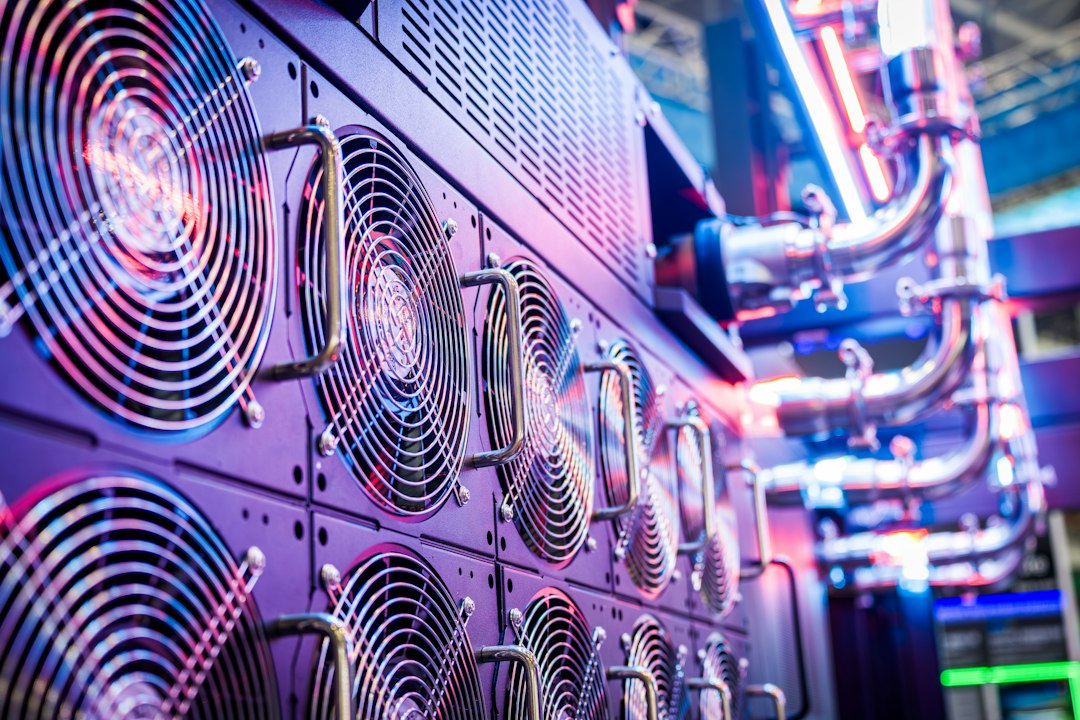
Cryptocurrency mining is a pivotal process that ensures the integrity and security of decentralized networks. It involves solving complex mathematical problems to validate transactions and add them to the blockchain. As cryptocurrencies continue to gain popularity, understanding the underlying mining mechanisms becomes crucial for investors and enthusiasts alike.
How Cryptocurrency Mining Works
At its core, cryptocurrency mining involves the use of specialized hardware and software to perform calculations that validate transactions on the blockchain. Here’s a breakdown of the process:
- Transaction validation: Miners validate new transactions before they are added to a block.
- Block creation: Once transactions are validated, they are grouped into a new block.
- Proof of work: Miners compete to solve a cryptographic puzzle, proving they have expended computational power.
- Adding to blockchain: The first miner to solve the puzzle broadcasts their solution, and the new block is added to the blockchain.
The Importance of Mining Difficulty
Mining difficulty is a critical factor in the mining process. It represents how challenging it is to solve the cryptographic puzzles. As more miners join the network and the total computational power increases, the mining difficulty adjusts. This ensures that new blocks are added to the blockchain at a consistent rate.
Key Factors Influencing Mining Difficulty
- Network hash rate: A higher hash rate means more miners are competing to solve puzzles, increasing difficulty.
- Algorithm changes: Modifications to the algorithm can also impact the level of difficulty.
- Market conditions: Price fluctuations and mining profitability may influence miner participation and thus, affect difficulty.
Types of Cryptocurrency Mining
Cryptocurrency mining can be categorized into various types, each with its unique characteristics:
- Proof of Work (PoW): Traditional mining that requires significant computational power like Bitcoin.
- Proof of Stake (PoS): Miners are selected to create new blocks based on the amount of coins they hold, reducing energy consumption.
- Cloud Mining: Users rent hardware from a third-party provider, allowing them to mine without physical hardware.
- GPU Mining: Utilizes graphics processing units for cryptocurrency mining, popular among smaller miners.
Resources for Aspiring Miners
If you are looking to dive deeper into the world of mining, there are excellent resources available:
- For an overview of mining fundamentals, check out Cryptocurrency Mining: Understanding the Dynamics and Essentials.
- If you’re ready to start investing, our comprehensive guide can provide valuable insights: Cryptocurrency Mining: A Comprehensive Guide for Investors.
The Future of Mining Technology
The future of cryptocurrency mining is bright but ever-evolving. As technologies advance, new mining techniques and tools are likely to emerge. Factors such as energy efficiency, regulations, and environmental impact will also shape the landscape. The push for greener mining practices continues to influence the industry, urging miners to seek renewable energy sources and optimize energy consumption.
Investors keen on entering the cryptocurrency market should understand that mining is not just about profits. It’s about contributing to the network and fostering innovation. As the industry grows, so will the opportunities and challenges. The world of cryptocurrency mining is a dynamic field worth exploring.