
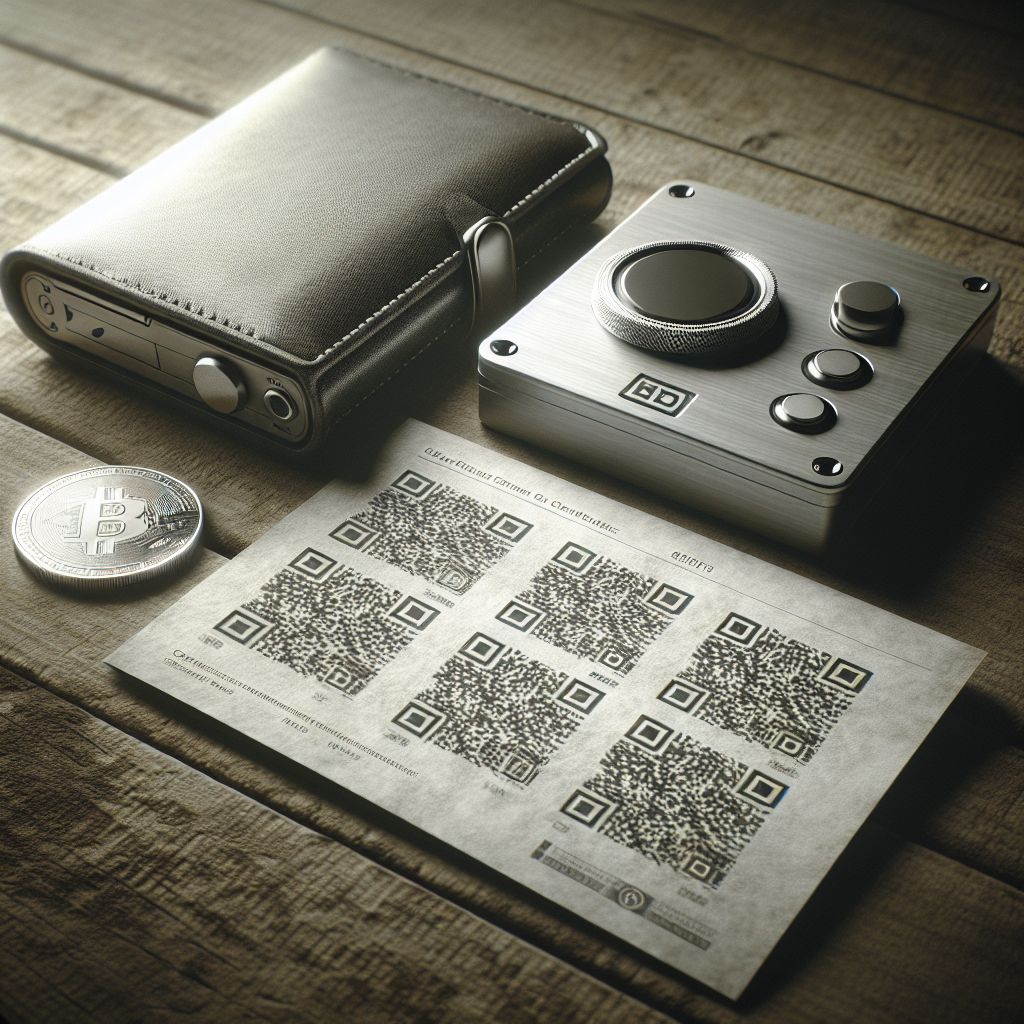
Why paper wallets still matter for altcoin buyers
For many people exploring the world of altcoins on Buy altcoins – platforms, hot wallets and exchanges are convenient. But convenience comes with trade-offs: online custody exposes keys to hacks, phishing, and exchange insolvency. A paper wallet—simply a private key and public address printed or written on paper—is a minimalist, air-gapped option that can be a powerful part of a diversified storage strategy for altcoin buyers who want a cold, low-tech backup.
Pros and cons of paper wallets for altcoins
- Pros: True cold storage if generated securely offline; inexpensive; portable when stored correctly; ideal for long-term holdings and gifting altcoins.
- Cons: Paper degrades, can be lost or stolen; transferring funds requires importing or sweeping the key (which introduces exposure); not practical for frequent trading or DeFi use.
How to create a secure paper wallet for altcoins: step-by-step
Creating a secure paper wallet requires care. The goal is to keep the private key generation and printing completely offline and trusted.
1. Choose a reliable generator or tool
Some projects provide downloadable generators specifically tailored to popular coins. If you prefer a ready-made interface, you can use trusted services—but always verify authenticity. You may also consider a dedicated paper wallet generator that offers offline download options. Always download from the official source and compare checksums.
2. Prepare an offline environment
- Use a clean USB stick and a desktop that you can boot into a trusted live operating system (for example, a Linux live USB).
- Disconnect from the internet, disable Bluetooth, and turn off wireless adapters.
- Verify the generator software checksum and run it locally.
3. Generate and print
Generate entropy by moving your mouse or using other local randomness features provided by the generator. Print the wallet using a printer not connected to a network. If printing is not possible, write the private key clearly by hand and consider using a QR code printed alongside the key to reduce transcription errors.
4. Protect the printed artifact
- Laminating can protect against moisture and wear, but consider that lamination makes secret destruction harder.
- Store copies in separate secure locations (e.g., private safe, safety deposit box) to mitigate the risk of loss or damage.
- Consider splitting a mnemonic or key using secret sharing schemes if you want redundancy without a single point of failure.
Best practices for altcoin-specific paper wallets
Not all altcoins use the same address formats or signing schemes. Use a generator that supports the specific altcoin you plan to store. For Ethereum and many ERC-20 tokens, storing the private key for the account is sufficient; for coins using bespoke formats, verify compatibility before transferring funds.
Test with a small amount first
Always send a small test transaction to the paper wallet address and confirm receipt. Then practice sweeping or importing the paper wallet into a wallet application using a controlled, small withdrawal to ensure the process works without exposing your entire balance.
How to safely spend or move funds from a paper wallet
There are two common approaches: importing the private key into a software/hardware wallet, or sweeping funds to a new wallet address. Sweeping is often safer because the sweeping wallet creates a new transaction that moves funds without reusing the fragile paper key for ongoing security.
- Sweeping: Use a trusted wallet app that supports sweeping for your altcoin. Perform this on a secure machine and preferably with hardware wallet assistance where supported.
- Importing: Importing the private key can be convenient but carries the risk that the private key exists on an online device afterwards. If you import, consider moving funds immediately to a new secure address.
Common mistakes and how to avoid them
- Avoid creating a paper wallet on a compromised or public computer—malware can leak keys immediately.
- Do not photograph the private key with a connected phone or cloud-enabled camera; photos stored online undermine cold storage.
- Don’t treat a single paper wallet as the only safeguard—use backups and consider a split-key (Shamir) approach for larger holdings.
Paper wallets and regulatory or financial considerations
Some buyers may need short-term liquidity or loans when building altcoin positions. If you are assessing personal finance options abroad, resources exist that explain where newcomers can get consumer loans—useful background when balancing cash needs and crypto holdings. Remember, storing large holdings offline has benefits, but you should also have a clear plan for access and legal compliance.
When to prefer other forms of cold storage
Paper wallets are low-tech and cheap, but long-term investors often prefer hardware wallets for improved usability and stronger defenses against physical theft and user error. Hardware devices help when regularly interacting with DeFi or swapping tokens while still keeping the keys offline.
Protecting your altcoins beyond the paper wallet
Paper wallets are one layer of security. To reduce overall risk, follow broader security hygiene. For practical, timeless advice on securing altcoins and avoiding scams, consult reputable guides such as Timeless Tips to secure your altcoins from scammers. If you are an altcoin buyer who also mines or considers mining-related purchases and infrastructure, guidance like Bitcoin Mining Insights: Optimizing Setup for Altcoin Buyers Smartly can help align operational choices with your storage and acquisition strategy.
Final checklist before creating a paper wallet
- Choose a trusted, offline-capable generator and verify its integrity.
- Create in an air-gapped environment and print with an offline printer.
- Test with a small transaction; understand the sweeping/importing process.
- Store multiple secured backups and consider redundancy strategies.
- Maintain broader account hygiene and stay informed about scams and best practices.
Paper wallets remain a viable tool in a broader custody toolbox for prudent altcoin buyers. They are not a universal solution, but when created and stored correctly, paper wallets offer a simple and effective way to hold private keys offline. Combine them with modern best practices to balance security, access, and the goals of your crypto portfolio.