Decentralized Applications and Why Altcoin Buyers Should Care
Welcome to Buy altcoins – your destination for practical, actionable guidance for altcoin investors. Decentralized applications (dApps) are more than a buzzword: they are the primary way many altcoins deliver real-world utility, governance, and yield. This guide explains how dApps intersect with altcoin ownership, how to evaluate dApp projects, and concrete steps altcoin buyers can take to benefit while managing risk.
What is a dApp? A clear, practical definition
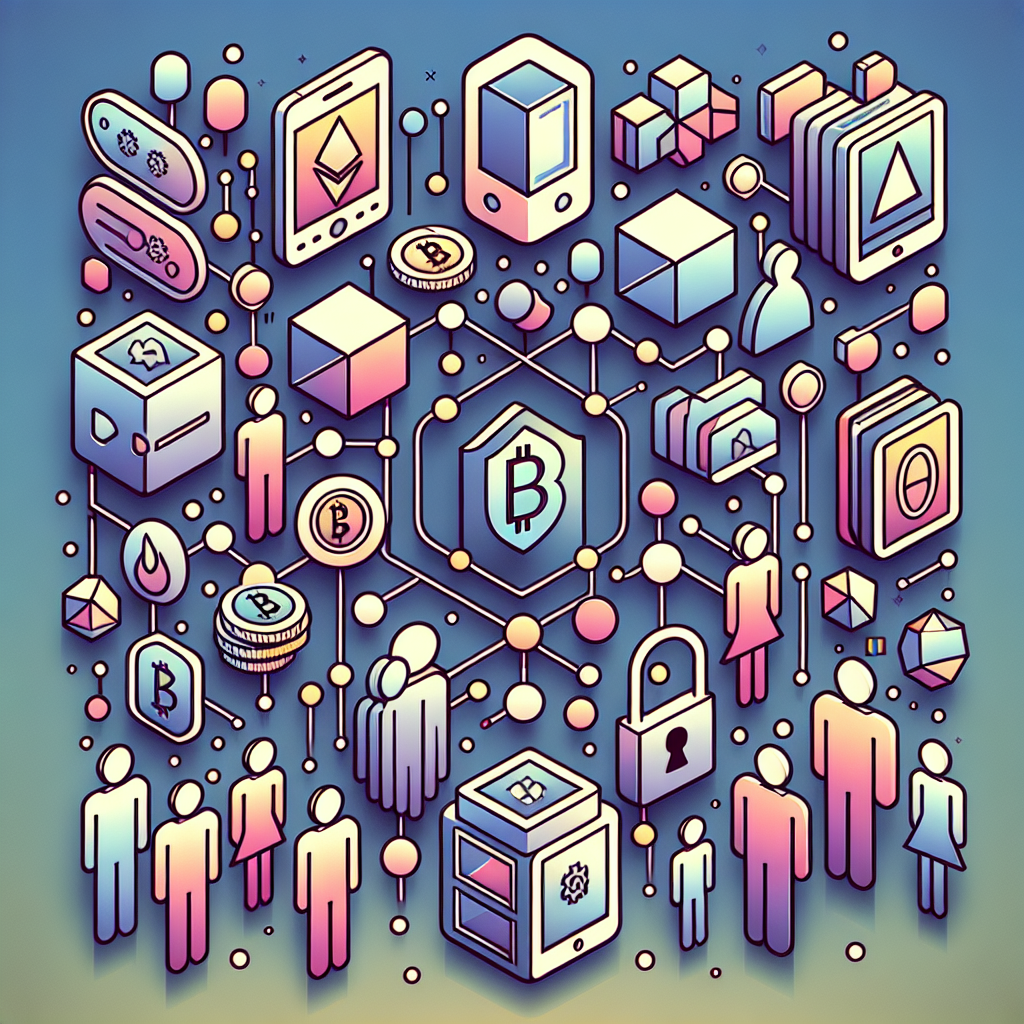
If you want a solid primer, start with a trusted overview. For a concise technical and market definition, see Decentralized applications (dApps) explained. In short, dApps are software programs that run on decentralized blockchains, often using smart contracts to automate rules without a single controlling party. They power decentralized exchanges (DEXs), lending protocols, gaming ecosystems, DAOs, and NFT marketplaces—areas where altcoin tokens typically gain traction.
How dApps create value for altcoin holders
- Utility and demand: Tokens used for fees, governance, or in-app benefits create sustained demand.
- Governance rights: Holding a token may give voting power in a DAO, influencing protocol direction.
- Yield opportunities: dApps enable staking, liquidity provision, and yield farming that can generate passive returns.
- Composability: Tokens can be reused across protocols (DeFi primitives), increasing network effects.
Practical steps to evaluate a dApp before buying its altcoin
Treat dApp evaluation like startup diligence. Focus on these indicators:
1. Protocol purpose and real use cases
Does the dApp solve a compelling problem or merely replicate existing features? Look for clear on-chain activity, not only marketing. Active user counts, transaction volume, and protocol revenue are tangible signals.
2. Tokenomics and incentives
Understand supply dynamics, emission schedules, and the utility of the token inside the dApp. Deflationary mechanics, strong utility, or locked token models can support long-term value, but be cautious of unsustainable yield schemes.
3. Security and audits
Smart-contract audits by reputable firms reduce risk but don’t eliminate it. Check published audit reports and whether the project has bug bounty programs and timelocks for upgrades.
4. Team, partnerships, and community
Who is building the dApp? Transparent teams and credible backers matter. Vibrant developer and user communities indicate utility and momentum.
5. Liquidity and exchange listings
Evaluate where the token trades and whether there’s deep liquidity. Thin markets amplify volatility and slippage, which can hurt buyers and sellers alike.
Wallets, custody, and using dApps safely
Interacting with dApps requires the right wallet setup and discipline. For a foundational review of secure custody and best practices, check What you need to know about Altcoin wallet. Use hardware wallets for significant holdings, maintain a separate hot wallet for routine dApp interactions, and limit approvals and connected sites. Regularly review token approvals and revoke unnecessary permissions.
NFTs, gaming, and altcoins in dApps
NFTs and gaming dApps can generate new economic models that benefit altcoin holders through unique utility or revenue sharing. If you’re curious about creating or using NFTs tied to altcoins, see this practical wallet and process guide: Creating NFTs for Altcoin Buyers: A Practical Wallet Guide and Strategy. When NFTs are integrated into dApps, they can act as provable ownership, in-game assets, membership passes, or revenue sources—each of which creates potential demand for the protocol token.
Risk management specific to dApp exposure
- Smart-contract risk: Even audited contracts can have vulnerabilities. Diversify exposure and avoid allocating funds you cannot afford to lose.
- Economic exploits: Front-running, oracle manipulation, or flawed incentive designs can cause severe losses.
- Regulatory and custodial risk: Some dApps may fall into regulatory gray areas; keep compliance and tax considerations in mind.
How altcoin buyers can participate responsibly
- Start with small, informed allocations and scale up as you verify protocol integrity and user activity.
- Use reputable bridges and cross-chain tools—verify contract addresses and test with small amounts before large transfers.
- Monitor on-chain analytics and community governance decisions to stay ahead of protocol changes.
- Consider on-ramps like token staking or liquidity provision only after understanding impermanent loss and time horizons.
Funding and project growth: alternative capital routes
Some dApp projects use community funding models beyond venture capital—crowdsales, grants, and community rounds. If you’re evaluating how a project raises capital, understanding broader approaches helps. For guidance on how businesses secure capital through public methods, see this resource on crowdfunding and business financing, which outlines principles relevant to blockchain projects seeking community funding.
Checklist for altcoin buyers engaging with dApps
- Verify smart contract addresses and review audits.
- Use segmented wallets for risk management.
- Assess token utility, emission, and economic sustainability.
- Track on-chain activity, TVL, and user retention.
- Stay updated on governance votes and protocol patches.
Conclusion
Decentralized applications are the operational layer where altcoins prove their value. For altcoin buyers, understanding dApps is essential: they determine real utility, influence tokenomics, and open paths to yield and governance. Apply rigorous diligence—evaluate purpose, security, liquidity, and community—use best-practice wallet hygiene, and pursue exposures that match your risk profile. With careful study, dApps can be powerful tools in a disciplined altcoin strategy.