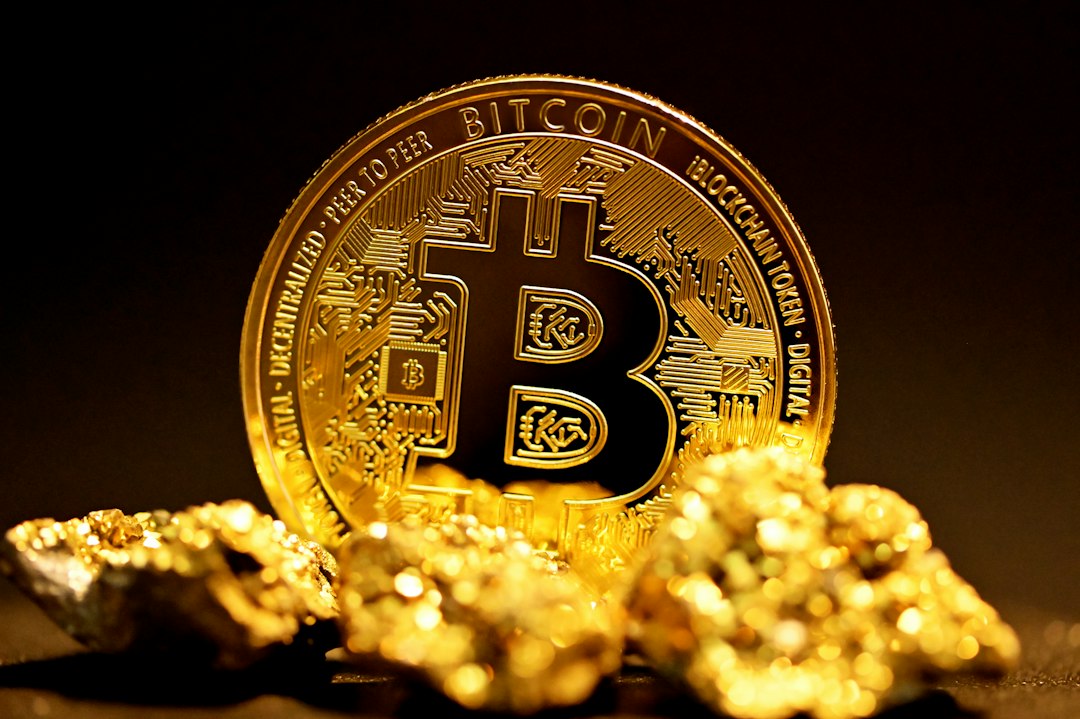
Bitcoin is the first decentralized cryptocurrency, introduced in 2009 by an unknown person or group using the pseudonym Satoshi Nakamoto. It is a digital currency that operates on a peer-to-peer network without a central authority or intermediary. Instead, transactions are verified by network nodes through cryptography and recorded in a public distributed ledger called a blockchain.
How Bitcoin Works
The core technology behind Bitcoin is the blockchain. Here’s how it works:
- Transactions are bundled together in a block.
- Miners use computational power to solve complex mathematical problems to validate the transactions.
- Once a block is validated, it is added to the chain, and the miners receive a reward in the form of newly minted Bitcoins.
The Role of Miners
Miners play a critical role in the Bitcoin ecosystem. They validate and secure transactions, ensuring the accuracy and reliability of the network. If you’re curious about how Bitcoin mining influences the market, you can learn more about miner capitulation.
Buying Bitcoin: A Step-by-Step Guide
Investing in Bitcoin can be an exciting venture. Follow these steps to start your journey:
- Choose a Cryptocurrency Exchange: Research and select a reputable exchange that allows you to buy Bitcoin.
- Create an Account: Sign up and complete the verification process.
- Deposit Funds: Link your bank account or credit card to deposit funds into your exchange account.
- Buy Bitcoin: Use your funds to purchase Bitcoin at the current market price.
- Store your Bitcoin: Consider using a private cryptocurrency wallet key for added security.
Storing Bitcoin Safely
Storing your Bitcoin securely is essential. Here are a few options to consider:
- Hardware Wallets: Physical devices that securely store your Bitcoin offline.
- Software Wallets: Applications installed on your computer or smartphone for storing Bitcoin.
- Paper Wallets: A physical printout of your Bitcoin keys, ensuring maximum security.
Investing in Bitcoin: Pros and Cons
As with any investment, investing in Bitcoin comes with its own set of advantages and disadvantages.
Pros
- High Potential Returns: Bitcoin has seen significant price increases over the years, making it attractive to investors.
- Decentralization: Bitcoin is not controlled by any government or financial institution.
- Liquidity: Bitcoin can be easily traded for traditional currencies or other cryptocurrencies.
Cons
- Price Volatility: Bitcoin prices can change rapidly, leading to substantial gains or losses.
- Regulatory Concerns: The legal status of Bitcoin varies by country, leading to uncertainty.
- Security Risks: Exchanges can be vulnerable to hacking, risking your investments.
The Future of Bitcoin
The future of Bitcoin remains open to speculation. While many believe it will continue to gain widespread acceptance, others caution against potential regulatory crackdowns. Whether you are a seasoned investor or just starting, understanding the market is crucial. If you’re considering diversifying your portfolio, you can check out altcoins explained for more information.
Conclusion
Bitcoin represents a revolutionary shift in finance and technology. As it continues to evolve, investors must stay informed and make educated decisions. By understanding how Bitcoin works and its potential implications for the future, you can better navigate this exciting digital landscape.